Ink on Paper, Soul on the Line: How Handwritten Letters Became the Ultimate Act of Rebellion
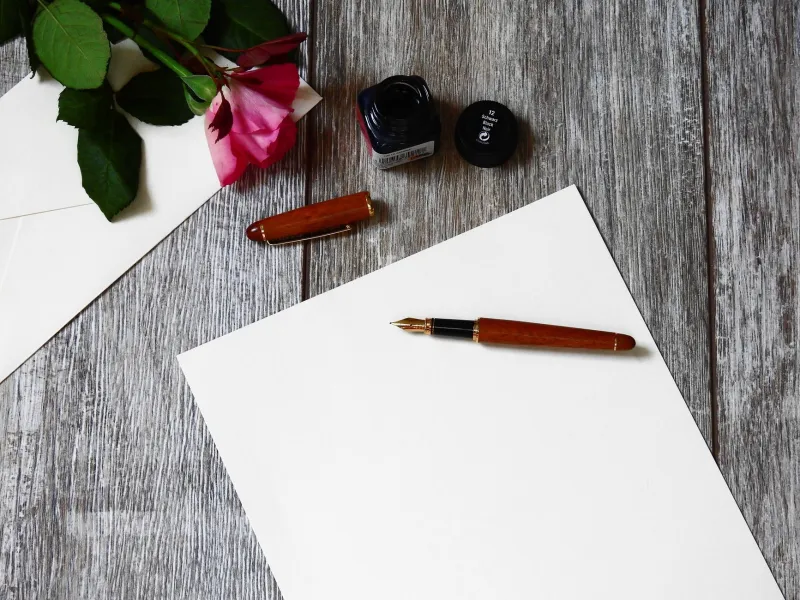
There's a moment — you've probably had it — where you open your email, see forty-seven unread messages, and feel absolutely nothing. Not urgency. Not connection. Just a low, gray hum of obligation. Now imagine opening your mailbox and finding an envelope with your name written by hand. Suddenly your pulse does something different entirely.
That contrast right there? That's the whole story.
Across the United States, something slow and deliberate is pushing back against the algorithm. People are writing letters again. Real ones. Ink, paper, the whole ceremony. And it isn't nostalgia driving the trend so much as something rawer — a genuine hunger for communication that actually costs something to produce.
The Weight of a Stamp
When you send a text, the friction is basically zero. You type, you hit send, you've already moved on. But a handwritten letter demands your time, your posture, your patience. You have to mean it enough to sit down and do it.
That friction used to feel like a limitation. Now it reads like a feature.
Pen-pal communities have exploded quietly over the past few years, with platforms like Slowly — an app that deliberately delays message delivery based on geographic distance, mimicking the actual pace of postal mail — pulling in millions of users worldwide, a significant chunk of them American twentysomethings. Reddit's r/penpals community has grown into a sprawling, earnest corner of the internet where people swap addresses and commit to something as old-fashioned as waiting for a reply.
Stationery sales have followed the feeling. Independent paper goods shops are thriving. Fountain pen forums are active enough to make you think it's 1987. Wax seal kits have become a legitimate gift category. The aesthetics of letter-writing have always been beautiful, but what's happening now goes deeper than aesthetics.
What Got Lost in the Translation to Digital
Here's what the pre-digital era understood intuitively: correspondence shaped people. Not just relationships — people. The discipline of composing a letter, of organizing thought into coherent paragraphs without the option to delete and start over a hundred times, built a certain kind of reflective intelligence.
Read the personal letters of mid-century Americans — soldiers writing home from Korea, young women corresponding with college friends, businessmen maintaining relationships across state lines — and you'll notice something striking. The emotional range is enormous. The specificity is remarkable. These weren't people who were more naturally eloquent than us. They were people who had practiced the form enough to get good at it.
Digital communication didn't just change the speed of connection. It changed the depth at which we were willing to go. When everything is instant, nothing feels precious enough to protect. When a message costs you thirty seconds, it tends to carry about thirty seconds' worth of weight.
The Luxury of Slowness
There's a reason high-end brands have leaned into handwritten notes as a premium experience. Luxury retailers, boutique hotels, independent restaurants — the ones that understand their market — often include a handwritten card with an order or a reservation confirmation. It signals something that a templated email never could: someone was here, thinking about you specifically.
That signal has become genuinely rare. Which means it's become genuinely valuable.
Younger Americans, particularly those in their twenties and early thirties, have grown up with the internet as their native environment. They've never not had social media. They've never known a world without smartphones. And yet — maybe because of all that — they're the ones most drawn to the analog alternative. They know what constant connectivity feels like from the inside, and a growing number of them are deliberately carving out spaces that connectivity can't reach.
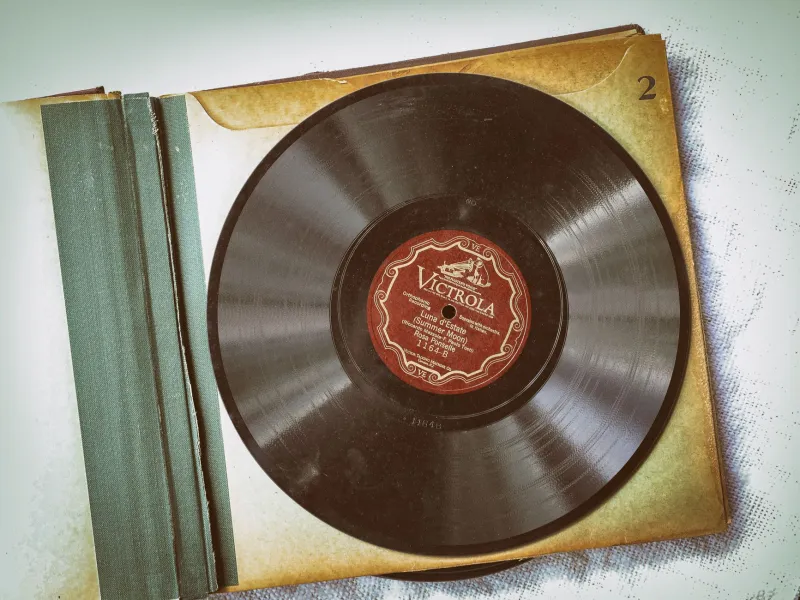
The handwritten letter is one of those spaces. So is vinyl. So is film photography. There's a pattern here worth paying attention to.
Intimacy as Infrastructure
What letter-writing actually does — what it's always done — is build infrastructure for intimacy. Not the performance of intimacy you get from a perfectly curated Instagram post, but the real structural kind. The kind that holds up under pressure.
When you know someone's handwriting, you know something about them that their digital presence will never reveal. The way a person forms their letters, whether they press hard or light, whether their lines drift upward or stay level — it's biographical in ways that typed text simply isn't. You're holding something they touched. The paper remembers the pressure of their hand.
That's not sentimental fluff. That's neuroscience. Research consistently shows that handwritten communication activates different cognitive and emotional processes than digital text, both for the writer and the reader. The brain takes it more seriously. The body responds.
The Rebellion Is in the Patience
Call it what it is: choosing to write a letter in 2024 is a political act, even if a small one. It's a refusal to participate in the attention economy on its own terms. It's saying, deliberately and with some effort, that this person — this specific human being — deserves more than a thumbs-up and a quick reply.
It's also, frankly, a little punk rock. In an era where every platform is engineered to capture your attention and monetize your time, sitting down with a nice pen and a sheet of paper and addressing it to someone you care about is about as off-grid as most of us are ever going to get.
The golden era of correspondence — those decades when a letter was the primary way people maintained relationships across distance — understood something we're only now rediscovering. Presence doesn't require proximity. It requires intention. A handwritten letter is intention made physical. It's proof that you showed up, even from far away.
Finding Your Way Back
If you haven't written a letter in years, the re-entry is easier than you'd think. You don't need fancy stationery or a particular skill set. You just need to start somewhere honest — tell someone what you've been thinking about, what you noticed this week, what made you laugh. The form will take care of itself.
And when that envelope comes back — because it will, if you send one first — notice how it feels to hold it. Notice the weight of it. Notice that someone sat somewhere and thought about you long enough to fill a page.
That feeling is old. It's also, right now, kind of revolutionary.