They Knew How to Make You Feel It: The Crooner Era's Grip on Modern Romance
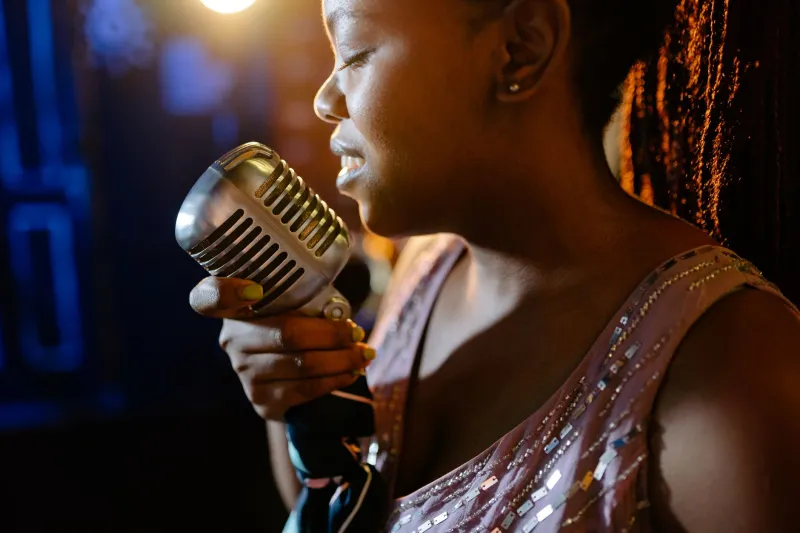
There's a moment in almost every Dean Martin performance — you've probably seen it on YouTube at two in the morning — where he leans into a lyric like he's telling you a secret. No vocal gymnastics. No pitch-correction software. Just a man, a microphone, and the quiet, devastating confidence that he knows exactly what heartbreak tastes like. And somehow, in 2024, that moment lands harder than almost anything on the radio.
The crooner revival isn't a niche thing anymore. Wedding planners across the country report that Frank Sinatra and Nat King Cole tracks are routinely requested for first dances, often by couples in their mid-twenties who grew up on entirely different sonic landscapes. TikTok creators have built genuine followings by slow-dancing in their kitchens to "The Way You Look Tonight." Lo-fi study playlists on Spotify quietly slip in Tony Bennett between ambient beats. The golden era of the American male vocalist didn't fade — it just went underground for a while and came back wearing the same silk tie it left in.
What These Men Actually Understood About a Song
Here's the thing that gets lost when people talk about the crooners as a nostalgia act: these weren't just guys with good voices. Sinatra, in particular, was a student of song structure in a way that bordered on obsessive. He famously talked about learning to phrase from trombonist Tommy Dorsey — watching how Dorsey could sustain a note across an entire breath, creating a sense of flow that felt almost conversational. Frank applied that to lyrics. He didn't sing at you. He talked to you.
Dean Martin played it cooler, which was its own kind of genius. Dino made you believe he was barely trying, which created this irresistible sense of ease. When Martin sang about love, it felt inevitable rather than performed. Mel Tormé could bend a note so gently it felt like the song itself was sighing. Sammy Davis Jr. brought a rhythmic precision to phrasing that made every syllable feel intentional. These weren't interchangeable talents — they were distinct voices with distinct philosophies about what a song was actually for.
And what it was for, above everything else, was intimacy.
The Microphone Changed Everything (And They Knew It)
One underappreciated piece of the crooner story is technological. The condenser microphone, which became widely available in the late 1930s and defined the studio sound of the 1950s, allowed singers to drop their volume and get close to a lyric in a way that simply wasn't possible before amplification. Earlier vocal styles — big, theatrical, built for the back of a theater — suddenly gave way to something almost whispered.
The great crooners understood instinctively that this new technology wasn't just a practical tool. It was an invitation to create a different kind of emotional relationship with the listener. You weren't performing for a crowd anymore. You were singing to one person. Every Sinatra album, at its best, sounds like he recorded it specifically for you, in a room you've both been in before.
Contemporary pop production has largely abandoned this intimacy in favor of scale. Everything is maximized — the bass frequencies that rattle your sternum, the layered harmonies that fill every available sonic space, the vocal runs designed to demonstrate technical range. It's impressive, often genuinely thrilling, and almost never feels like someone leaning across a table to tell you something true.
Why 2024 Audiences Are Hungry for This
There's a cultural argument to be made here that goes beyond just "old stuff sounds good." The crooner revival tracks pretty neatly alongside a broader appetite for what you might call adult music — songs that assume the listener has experienced something, that don't need to explain every emotion in the loudest possible terms.
We live in an era of information overload, constant stimulation, and entertainment designed to capture attention in the first three seconds or lose it forever. Against that backdrop, a Sinatra ballad that takes its time — that trusts you to sit with a feeling — is almost radical. It's asking something of you. And a lot of people, particularly younger listeners who've grown up inside the attention economy, are finding that ask genuinely refreshing.
There's also the romance question, which is really a sophistication question. The crooners operated in a world where romantic expression had a particular grammar — understated, witty, emotionally intelligent without being emotionally raw. It wasn't repressed so much as refined. There was a belief that the right word, placed in the right beat, could do more than a hundred overwrought declarations. That belief is deeply appealing to people who are tired of everything being performed at maximum intensity.
The TikTok Effect and the Wedding Playlist Revolution
None of this is happening in a vacuum. The algorithm, for all its chaos, has been genuinely good at surfacing crooner content to audiences who weren't looking for it. A clip of someone recreating a vintage supper club atmosphere in their apartment gets half a million views. A bride posting her first dance to "Fly Me to the Moon" goes viral not because it's ironic but because it's genuinely beautiful and people respond to that.
Wedding industry professionals have noticed a marked shift. Where early 2010s ceremonies leaned heavily on contemporary pop anthems, there's been a steady drift toward classic American songbook material — not just as cocktail hour background music but as the emotional centerpiece of the evening. Young couples are choosing these songs because they feel like they mean something, like they've already survived the test of time and can be trusted to carry the weight of a moment.
Cover artists and tribute acts performing this material are also finding unexpectedly young audiences. Venues that book golden era tribute nights report a mix of older fans who grew up with the originals and younger attendees who discovered the music through streaming and social media and wanted to experience what it feels like in a room.
The Golden Era Never Really Left
At Royce 59, we've always believed the golden era doesn't fade — it just waits for the world to catch up with it again. The crooners understood something permanent about human longing: that we want to feel known, that a song can do that better than almost anything else, and that the voice carrying that song matters enormously. Not because of its technical perfection but because of its character.
Sinatra had character in abundance. So did Dino, Nat, Tony, Mel, and Sammy. They were flawed men making music that reached toward something better than their flaws, and the music is still reaching. Every time a twenty-three-year-old in Ohio adds "La Vie En Rose" to their wedding playlist or a college student discovers "In the Wee Small Hours" at midnight, those voices are doing exactly what they were always meant to do.
Making you feel it.