Spinning Back: How Gen Z Fell Hard for the Crackle and Warmth of Vinyl
The Record Store Is Back, Baby
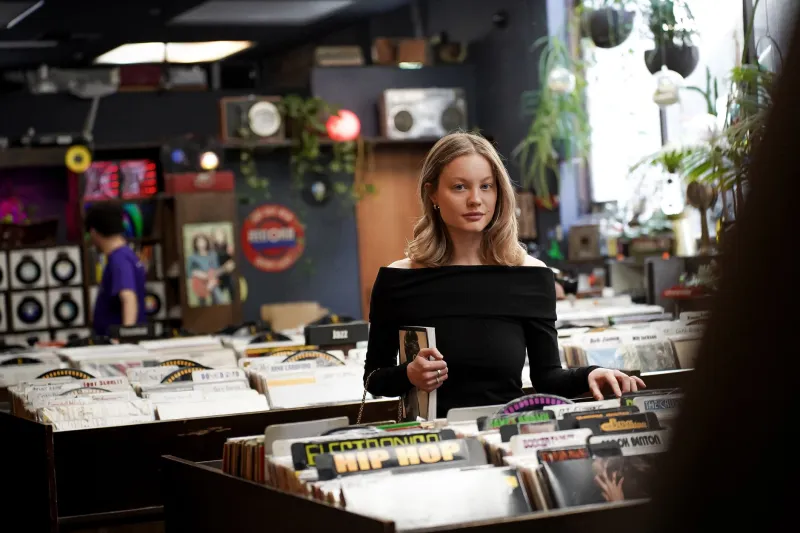
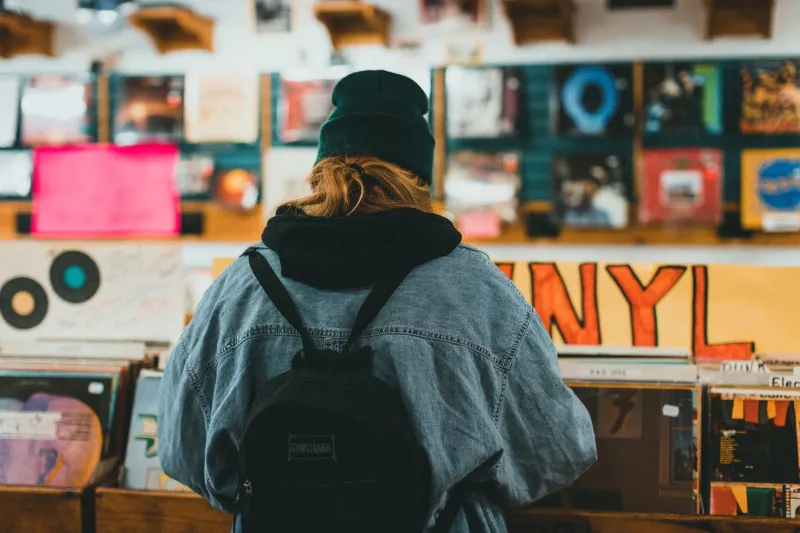
Walk into any independent record shop on a Saturday afternoon and you'll notice something that would've seemed pretty unlikely a decade ago: teenagers flipping through crates. Not ironically. Not for a TikTok bit. Just genuinely digging, pulling out sleeves, squinting at liner notes, asking the guy behind the counter whether the 1973 pressing sounds better than the reissue.
Vinyl sales in the US have now outpaced CD sales for three straight years, according to the RIAA. That's a milestone nobody saw coming back when streaming was supposed to kill every other format. But here we are. And a surprisingly large slice of those buyers are under 30.
So what's going on? Why is a generation raised on Spotify and Apple Music suddenly obsessed with a format that requires a dedicated piece of furniture, costs three or four times more per album, and occasionally skips if your cat walks too close to the turntable?
The Ritual Is the Point
Talk to any young collector and they'll tell you pretty quickly: it's not just about the sound. It's about the whole experience that surrounds the sound.
With streaming, music is basically frictionless. You think of a song, it plays. You skip. You shuffle. You half-listen while scrolling. There's almost no commitment involved, and that frictionlessness — while convenient — has a weird way of making music feel disposable.
Vinyl flips that entirely. You have to want to listen. You pull the record out of its sleeve, you set it on the platter, you drop the needle with a little care. There's a side A and a side B, which means the artist actually sequenced the thing with intention. You're not just consuming content — you're participating in something.
For a generation that grew up with infinite choice and infinite scroll, that deliberateness feels almost radical. It's a form of intentional listening in an age of distraction.
Older Collectors Are Surprised — and Delighted
Denver-based collector Marcus Webb, 58, has been buying records since the mid-80s and admits he never expected to have much in common with his daughter's friends on the subject.
"I thought vinyl was my thing," he says with a laugh. "My nostalgia, my era. But my daughter started getting into it in college and suddenly her whole friend group is asking me about cartridges and cleaning brushes. It's genuinely wild."
What strikes Marcus is that younger collectors aren't just buying classic rock or jazz — the obvious "prestige" genres. They're hunting down original pressings of 90s R&B, hip-hop on wax, indie records from labels that barely exist anymore. They're building collections that reflect their own taste rather than what they think a vinyl collection should look like.
That's a sign of something real. This isn't cosplay. It's actual cultural ownership.
Does It Actually Sound Better?
Okay, let's talk about the audiophile elephant in the room.
The "vinyl sounds warmer" debate has been raging for decades and it's not getting resolved here. The honest answer is: it depends. A well-pressed record played on a decent turntable through good speakers can sound absolutely stunning — rich, full, with a physical presence that even high-res digital files struggle to replicate. But a cheap pressing on a $60 suitcase turntable? You're probably doing the music a disservice.
What's interesting is that a lot of Gen Z buyers aren't even framing it as a sound quality argument. They're not claiming vinyl is objectively superior. They're saying it feels different. More present. More alive. And that feeling, however you want to measure it, is driving real purchasing decisions.
For a generation that's grown up hearing music primarily through earbuds and phone speakers, the experience of sound filling an actual room — warm, imperfect, dimensional — can be genuinely transformative.
Nostalgia or Something Deeper?
It's easy to dismiss this whole thing as nostalgia tourism — young people romanticizing an era they never actually lived through. And sure, there's some of that happening. The aesthetic of vinyl is undeniably cool. The album art, the heavyweight sleeves, the whole visual language of the format has a tactile beauty that a streaming thumbnail just can't touch.
But nostalgia alone doesn't explain sustained market growth. Nostalgia sells for a season, maybe two. What's happening with vinyl has been building steadily for over a decade now.
What it might actually represent is a broader hunger for things that are made well — objects and experiences with craft and intention behind them. In a culture flooded with content that's generated faster than anyone can meaningfully consume it, the handmade, the analog, the carefully mastered and pressed record starts to feel like an act of resistance.
That's very much the spirit this site runs on. The golden era never fades because quality doesn't expire. Whether it's a Stevie Wonder record from 1972 or a Phoebe Bridgers album pressed last year, the care that goes into something shows. And people — especially young people who've grown up surrounded by the disposable — are starting to feel that difference in their bones.
Where to Start If You're New
If you're vinyl-curious and don't know where to begin, here's the quick version: don't buy a suitcase turntable. Seriously. They damage records and sound terrible. A starter setup from Audio-Technica or Pro-Ject in the $150-$300 range will serve you infinitely better.
For records, start with what you actually love. Don't buy what you think you should have. Find your local independent record store — sites like VinylHub can help you locate one — and spend an afternoon digging. Half the joy is the hunt.
And when you drop that needle for the first time and hear that familiar crackle before the music comes in? Yeah. You'll get it.